Selling a Grant home for the strongest possible return usually has less to do with a big remodel and more to do with smart presentation. If your home has original trim, vintage windows, a covered porch, or an older floor plan, you may be wondering what buyers will love and what they will question. The good news is that in Grant, thoughtful staging can help buyers see character, condition, and value more clearly. Let’s dive in.
Why staging matters in Grant
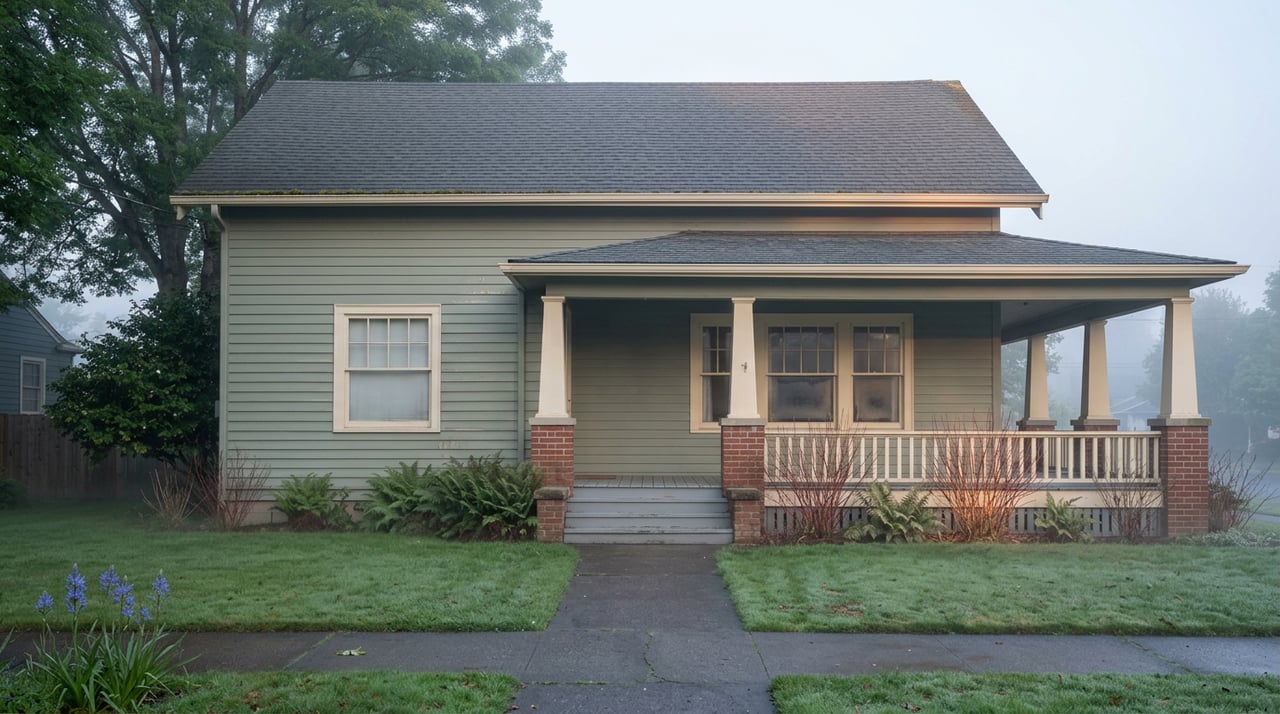
Grant is one of Salem’s designated Heritage Neighborhoods, and nearly all homes and buildings there date from 1900 to 1940. That history gives the neighborhood real visual identity, but it also means buyers often look closely at maintenance, layout, and how well the home’s character has been preserved. In a neighborhood like this, staging works best when it highlights what is already special.
Current market conditions make presentation even more important. In ZIP code 97301, the median sale price over the last three months ending April 2026 was $397,000, with a median 46 days on market and a 100% sales-to-list-price ratio. That tells you buyers are still active, but they are comparing homes carefully and weighing condition along with price.
National staging research supports the payoff. The National Association of Realtors reported that 83% of buyers’ agents said staging made it easier for buyers to picture a property as a future home. It also found that 49% of sellers’ agents said staging reduced time on market, and 29% said staging increased the dollar value offered by 1% to 10%.
The Sell Rich approach to Grant staging
If you want to sell rich in Grant, the goal is not to make your house look brand new. The goal is to make it look cared for, calm, and easy to understand. Buyers should walk in and notice the home’s charm, not your unfinished to-do list or crowded rooms.
That is especially true in a historic neighborhood. A preservation-minded approach usually works better than trying to erase the age of the home. Clean surfaces, edited furniture, brighter rooms, and visible architectural details often create more value than trend-heavy updates that compete with the house itself.
The strongest pre-listing moves also tend to be practical. NAR found that sellers’ agents most often recommend decluttering, cleaning the entire home, and improving curb appeal. Those are the exact kinds of changes that help older homes photograph well and show with confidence.
Start with the outside first
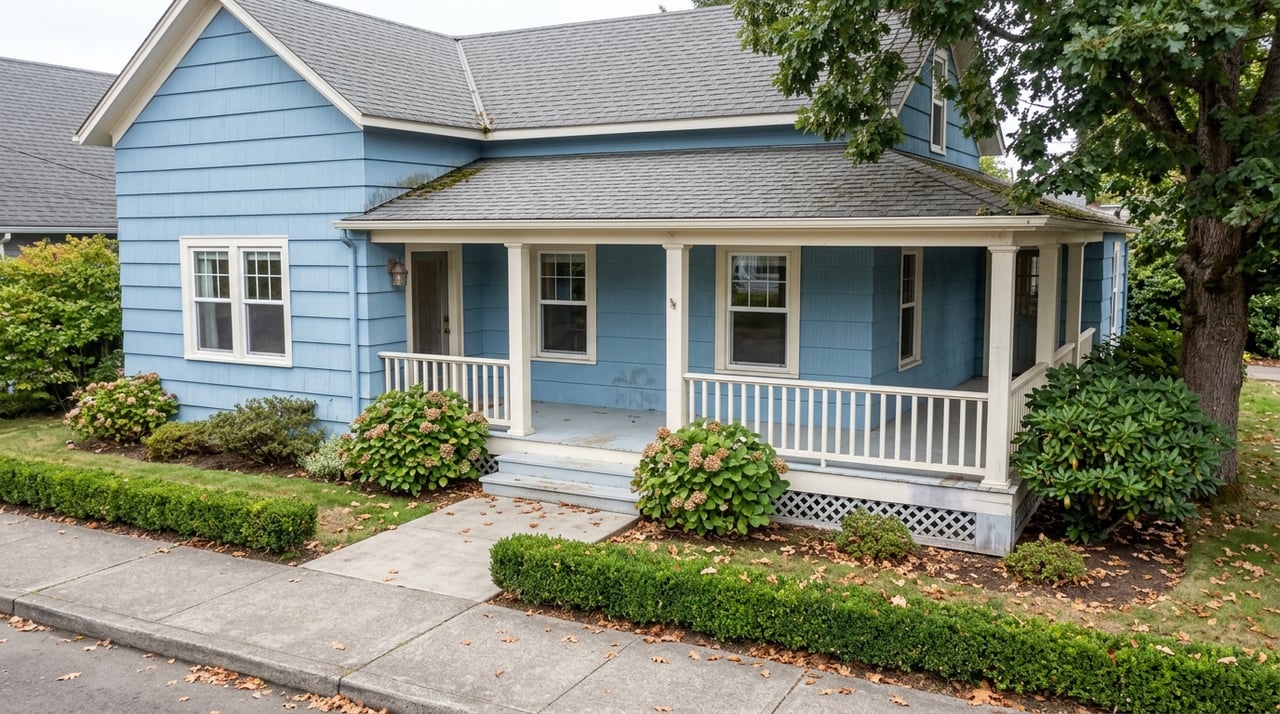
In Salem, curb appeal is not just about looks. It is also about weather, maintenance, and the first impression buyers form before they ever step inside. NOAA climate normals for Salem show about 40.08 inches of annual precipitation, so wet surfaces, moss, grime, and dull windows can quickly make a home feel less cared for.
Focus first on the basics:
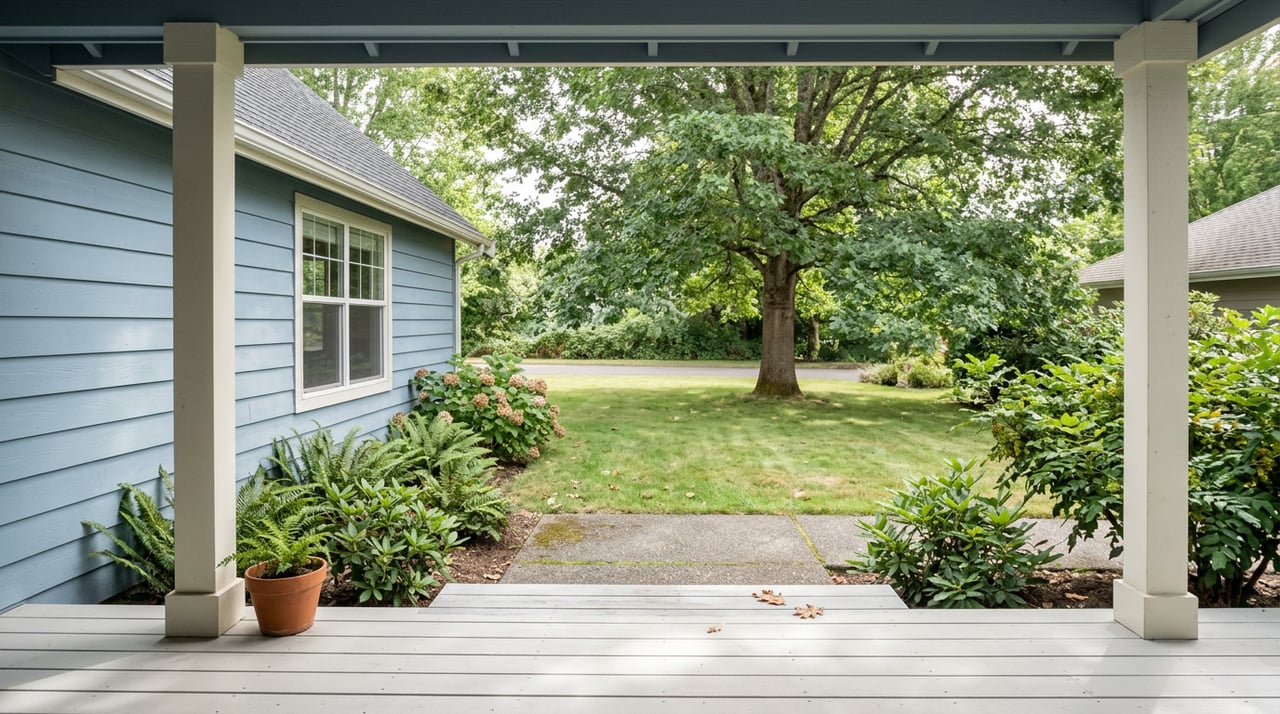
- Clean walkways and porch surfaces
- Trim planting beds and remove debris
- Wash exterior areas that show dirt or moss
- Make sure exterior lighting works
- Add a simple, fresh doormat or porch styling
- Present the front door as well maintained and inviting
For Grant homes, classic usually beats trendy. A freshly maintained entry feels more fitting than a dramatic style shift that does not match the home’s age or architecture.
Stage the rooms buyers notice most
Not every room needs the same level of attention. NAR found that the living room is the most important room to stage, followed by the primary bedroom and the kitchen. If you are working with a modest budget, those are the spaces to prioritize first.
Living room
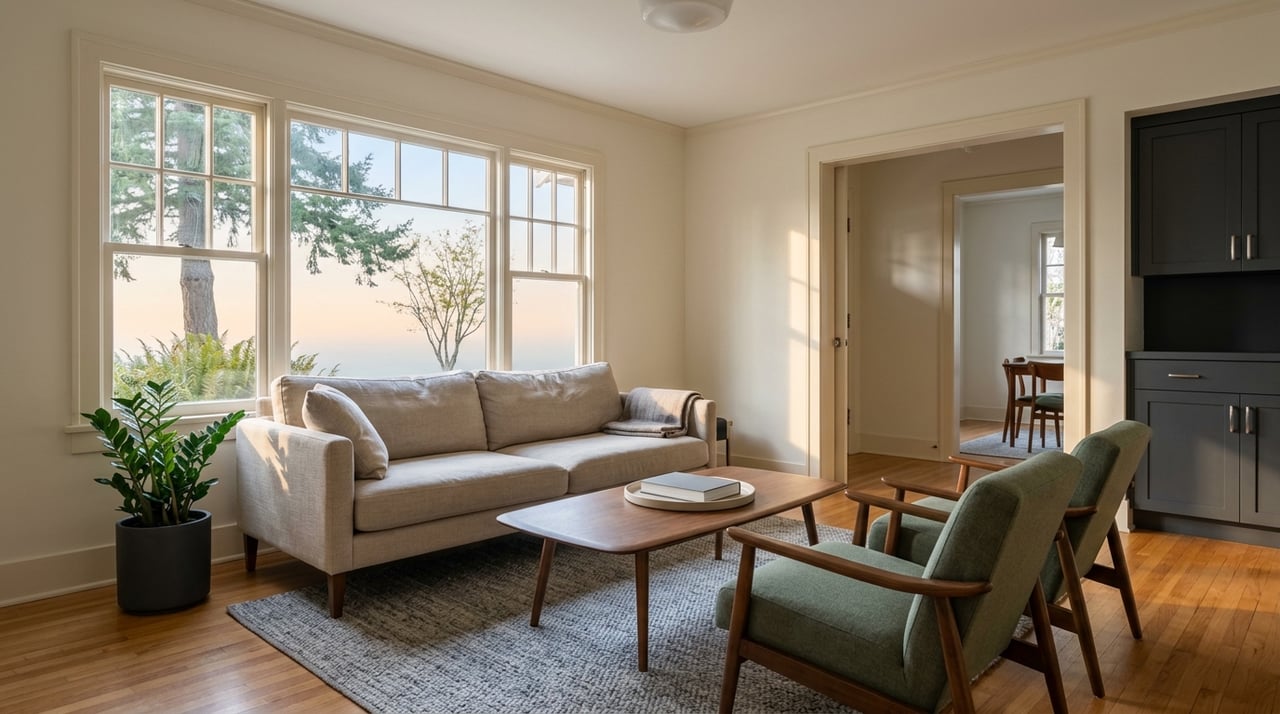
Your living room should act as the visual anchor of the home. In many Grant houses, this is where buyers notice original windows, trim, fireplaces, or built-ins. Good staging lets those features breathe.
Pull furniture away from the walls just enough to show flow. Remove extra decor and oversized pieces that shrink the room. Keep the layout simple so buyers can imagine where they would sit, gather, and move through the space.
If your home leans vintage, avoid layering too many patterns or accessories. If it has mid-century touches, low-profile furniture and clean lines often help the architecture stand out.
Kitchen and dining room
The kitchen does not need a full renovation to make a strong impression. In older Salem homes, buyers often respond well to kitchens that feel clean, bright, and functional. Clear the counters, remove mismatched small items, replace tired bulbs, and clean details like grout, appliances, and sink areas.
If hardware or a faucet finish looks especially dated or distracting, a simple refresh may help. Keep changes restrained and cohesive. The goal is to help buyers see a usable, well-kept kitchen rather than a project list.
If you have a separate dining room, stage it with purpose. Older homes often benefit from showing that this room still works as an intentional gathering space, not overflow storage.
Primary bedroom
The primary bedroom should feel restful and larger than its actual footprint. That matters in older homes, where bedrooms can be tighter than what buyers see in newer construction. A simpler room almost always feels bigger.
Use neutral bedding, reduce furniture to the essentials, and leave visible floor space. Take out anything overly personal or visually busy so the room reads as calm and comfortable.
Bathrooms
Bathrooms need brightness and proof of care more than decorative flair. Clean mirrors, fresh towels, tidy counters, and consistent finishes go a long way. If caulk is worn or discolored, re-caulking can make the whole space feel cleaner.
Keep styling minimal. Buyers notice cleanliness, light, and maintenance faster than they notice accessories.
Handle secondary spaces with intention
Secondary bedrooms, flex rooms, laundry areas, closets, and utility spaces still matter, but they do not need the same styling budget as your main living areas. In fact, a lighter touch often works better in Grant homes because many rooms are smaller and circulation can be tight.
Choose one clear use for each extra room. A guest room, office, hobby room, or nursery can all work well, as long as the setup is simple and believable. Avoid trying to show too many functions in one small room.
Storage spaces should feel organized and maintained. Even if they are not styled, they should look clean, bright, and easy to use.
Make your home photo ready
Online presentation matters just as much as in-person showings. NAR reported that 88% of sellers’ agents said photos were important or more important to clients, and 73% of buyers’ agents said the same. Buyers often form their first impression from listing photos, so staging and photography should work together.
For Grant sellers, that means preparing with photo day in mind. Open up natural light, clean windows, reduce visual clutter, and choose a day when exterior surfaces and landscaping look their best. In Salem’s wetter climate, timing can make a noticeable difference.
A home that feels bright, simple, and cared for in photos is more likely to earn clicks, tours, and serious attention. That does not guarantee a premium result on its own, but it supports stronger buyer interest from the start.
Budget for impact, not excess
Many sellers assume staging has to be expensive to work. The research says otherwise. NAR found that when sellers used a professional staging service, the median spend was $1,500, while agent-handled staging had a median spend of $500.
That supports a focused strategy instead of a full cosmetic overhaul. In Grant, your best return often comes from targeted improvements like decluttering, deep cleaning, curb appeal work, paint touch-ups, lighting updates, and staging key rooms. You do not need to out-renovate the neighborhood to present your home well.
Plan your prep timeline early
If you are six to twelve months away from selling, start with function before style. Fix maintenance items, gather records, and get clear on what needs attention now versus later. Then move into paint, lighting, flooring touch-ups, and exterior maintenance before final staging and photography.
This order helps you avoid spending money twice. It also keeps your staging plan focused on presentation instead of covering unresolved issues.
For Oregon sellers, disclosures matter too. The Oregon Real Estate Agency says sellers’ agents should keep a completed, signed Seller’s Property Disclosure Statement in the file, and Oregon law requires sellers to complete, sign, and deliver that disclosure to buyers who make a written offer.
Because many Grant homes were built long before 1978, lead-paint disclosure may also apply. If your property is a local historic landmark or within a National Register district, Salem may require historic design review before certain exterior alterations. That is why it helps to think through windows, siding, porches, and similar exterior changes early in the process.
What selling rich really looks like in Grant
In this neighborhood, selling rich usually means making smart choices, not flashy ones. Buyers are often drawn to Grant because of its history, architecture, and close-in Salem location. The homes that stand out tend to feel well maintained, thoughtfully edited, and true to their character.
That is where a design-forward, strategy-first plan can create real value. When you combine clean presentation, strong photos, targeted prep, and a pricing and negotiation plan built around net proceeds, you give your home its best chance to compete well.
If you are thinking about selling in Grant and want a clear prep plan that respects your home’s character while positioning it for the market, Heather Rauh can help you build a smart, tailored Sell Rich strategy.
FAQs
How should you stage a historic Grant home in Salem?
- Focus on decluttering, deep cleaning, curb appeal, and highlighting original features like trim, windows, fireplaces, and built-ins instead of trying to make the home look brand new.
Which rooms matter most when staging a Grant house for sale?
- The top priorities are the living room, primary bedroom, and kitchen, since national staging research found those are the rooms buyers respond to most.
Does staging help homes sell faster in Salem?
- Staging can support faster sales by helping buyers picture the home more easily, and NAR reported that 49% of sellers’ agents said staging reduced time on market.
What inexpensive staging updates can help a Grant seller most?
- The most useful lower-cost updates are usually decluttering, whole-home cleaning, curb appeal work, lighting improvements, paint touch-ups, and simple styling in the main rooms.
What should Grant sellers know before making exterior changes?
- If your property is a local historic landmark or in a National Register district, Salem may require historic design review for some exterior alterations, so it is wise to check early before making changes.
When should you start preparing a Grant home for sale?
- If possible, begin six to twelve months ahead by fixing functional issues first, then handling cosmetic touch-ups, and finally scheduling staging and photography closer to listing day.