Thinking about life on the West Salem hillside? It can be an appealing mix of elevated views, neighborhood parks, and quick access to downtown Salem, but it also comes with some practical tradeoffs you should understand before you buy or sell. If you want a clearer picture of how West Salem feels day to day, this guide will walk you through the setting, commute patterns, outdoor access, housing mix, and what the hills really change in everyday life. Let’s dive in.
West Salem’s hillside feel
West Salem sits on the west side of the Willamette River in Salem’s northwest quadrant, within Polk County. The area is shaped by a mix of valley floor and rolling hills, which is a big reason hillside neighborhoods feel different from flatter parts of Salem closer to the river.
In everyday life, West Salem tends to feel more residential than urban core. Business activity is centered along Edgewater Street and Wallace Road, while many hillside areas read as lived-in neighborhoods with a strong local identity and room for continued change over time.
City planning materials show that West Salem is not treated as a finished, static district. Local goals include improving circulation for cars, pedestrians, and bikes, conserving open space, upgrading building stock, and creating opportunities for new housing.
What the hills change day to day
The hills change more than the view. They influence how streets feel, how homes are positioned, and how one part of the neighborhood can feel slightly different from another even within the same broader area.
For many buyers, the biggest day-to-day difference is the sense of elevation and separation from the valley floor. Some streets may feel quieter or more tucked away, while others connect more directly to the main corridors that carry traffic toward bridges and shopping.
On foggy or damp mornings, hillside locations may also feel a bit different from lower-lying parts of Salem. Based on Salem’s topography and weather guidance about fog favoring sheltered valleys, higher spots may feel breezier and may clear faster at times, but West Salem is still part of Salem’s overall climate rather than a separate weather zone.
West Salem weather expectations
Salem’s 1991 to 2020 climate normals show an annual mean temperature of 54.1 degrees, annual precipitation of 40.08 inches, summer highs in the low-to-mid 80s, and winter lows in the mid-30s. That means your baseline expectation should still be a classic Willamette Valley pattern of wet winters, dry summers, and seasonal fog.
The practical takeaway is simple. A hillside home may feel a little different from a lower property on certain days, but you should not expect a dramatically different climate just because you are higher up.
Commuting from West Salem
If you live on the hillside, your commute often runs through the same key corridors as the rest of West Salem. Wallace Road NW is the main north-south route in the area and one of the primary routes into Salem, so it plays a major role in daily movement.
The biggest tradeoff for many residents is bridge dependence. Peak-hour congestion is especially important near the south end of Wallace Road, where traffic is headed to and from the Center Street and Marion Street bridges.
That does not mean West Salem is isolated. In fact, it is convenient to downtown Salem, but convenience and predictability are not always the same thing when bridge traffic backs up or road work affects normal patterns.
Local circulation is improving
One positive for buyers watching the area closely is that local circulation is still being improved. The completed 2nd Street NW connection created a continuous route from Wallace Road NW to Rosemont Avenue NW, with a stated goal of making the area safer and more friendly for walking and biking.
That matters because hillside neighborhoods often live or die by how connected they feel. Better local connections can make everyday errands, school runs, park access, and short neighborhood trips easier, even when main commuter routes are busy.
Outdoor access in West Salem
West Salem’s outdoor appeal is one of its strongest lifestyle features. Instead of relying on one major neighborhood park, the area offers a network of green spaces, natural areas, and riverfront recreation.
Wallace Marine Park Sports Complex is a major anchor on the west bank of the Willamette. The city identifies it as a 114-acre park with walking trails, soccer and softball facilities, a boat dock, and a connection to Riverfront Park through the Union Street Railroad Bridge.
Next to it, Wallace Natural Area adds a large riparian forest setting along the river. Smaller parks in West Salem include places such as Eagles View Park, Straub Nature Park, West Salem Park, and Glen Creek Park, all of which support a more walkable, neighborhood-based outdoor routine.
The neighborhood association also lists additional parks and natural areas across West Salem, including Audubon Nature Reserve, Brush College, Chandler Nature Area, College Heights, Eola Ridge, and Orchard Heights. Taken together, that creates an outdoor experience built around variety rather than one single destination.
Walks, trails, and river access
For many people, the value of West Salem is not just that parks exist. It is that the parks and paths support everyday use.
The Union Street Railroad Bridge is especially notable because it connects West Salem parks to downtown and the Capitol Mall on a traffic-separated route. If you enjoy walking, biking, or simply having a non-driving option to reach the riverfront and downtown core, that feature adds real lifestyle value.
West Salem housing styles
West Salem’s housing stock is not completely uniform, and that is part of its appeal. The area has historically leaned toward single-family land use, but planning efforts and newer development are adding more variety over time.
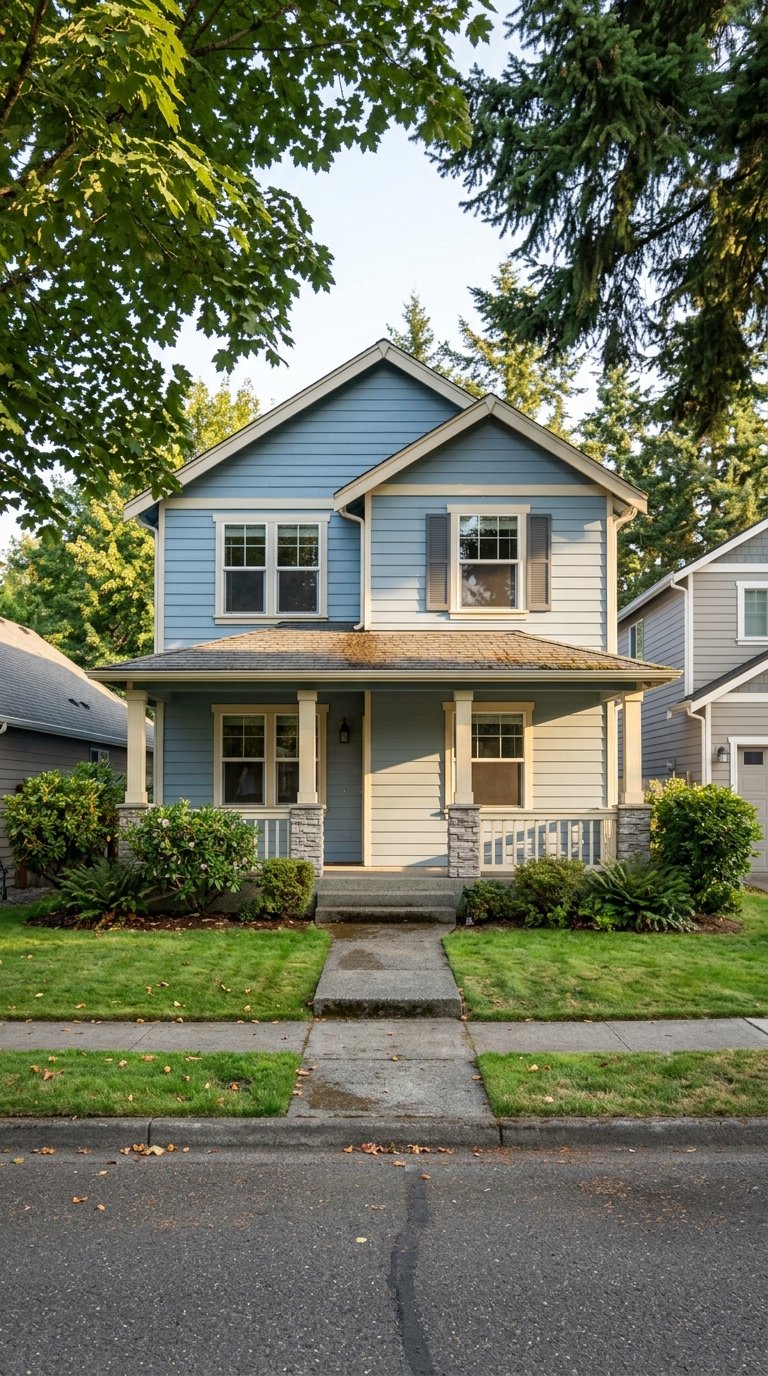
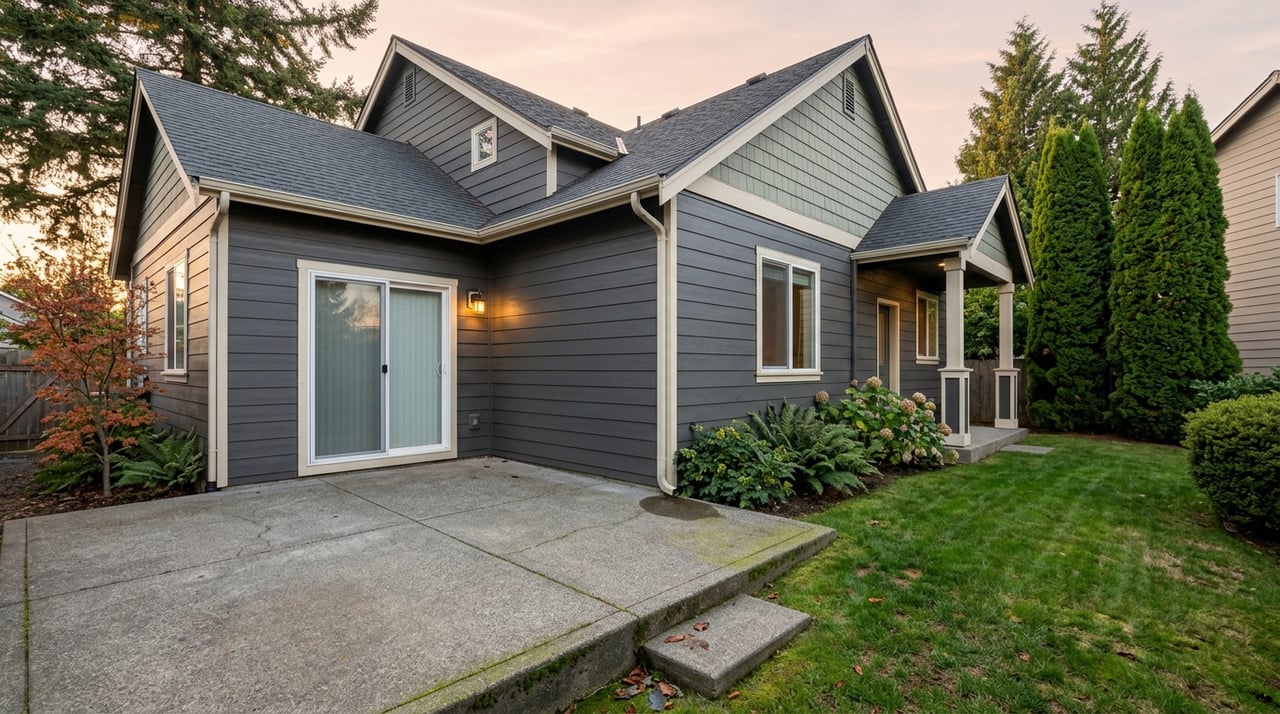
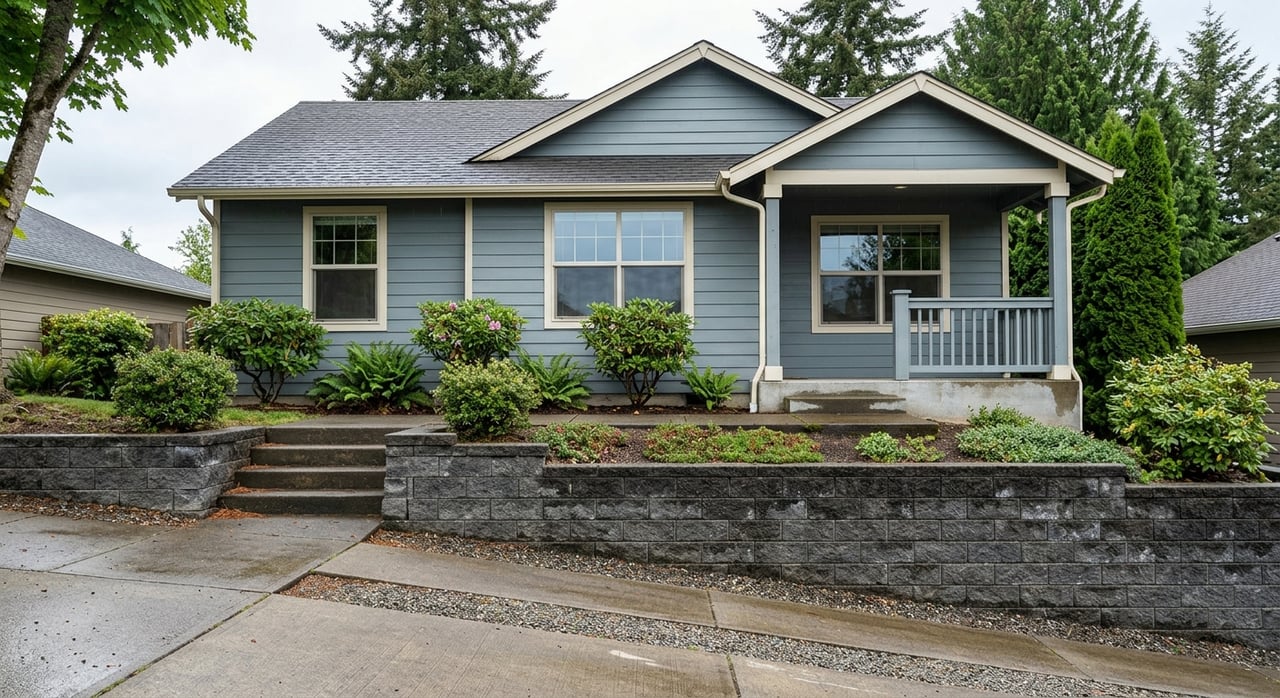
You are likely to see a blend of established homes and newer infill. Market descriptions of the area often note older pockets with 1940s-era cottages and Craftsman-style homes, along with western sections that include mid-century ranch homes and newer contemporary Craftsman styles.
More recent permit activity also points to townhome development that aims to preserve a single-family neighborhood feel. In practical terms, that means West Salem is still largely single-family in character, but buyers may also find newer attached housing and evolving residential options in select areas.
What buyers should expect
If you are shopping in West Salem, it helps to think in terms of tradeoffs rather than a perfect checklist. The hillside setting can offer a stronger sense of topography, access to parks and natural areas, and housing choices that span older homes and newer development.
At the same time, commute timing matters. Your experience can vary a lot depending on how often you cross the bridges, where you need to go during peak hours, and how close your home is to main travel routes.
It is also wise to pay attention to lot layout, street slope, and how connected a specific pocket feels to parks, shopping, and everyday services. In a hillside area, small location differences can shape your routine more than you might expect.
What sellers should know
If you own a home in West Salem, the hillside story can be a meaningful part of your marketing, but it works best when presented clearly and honestly. Buyers are often drawn to elevated settings, neighborhood character, nearby parks, and the sense that West Salem feels residential while still staying connected to downtown.
Just as important, buyers want a realistic picture of commute patterns and neighborhood function. A strong listing strategy highlights the lifestyle benefits of the location while also helping buyers understand how the home fits into daily life.
For sellers, presentation matters here. In a market where housing styles and settings can vary from block to block, thoughtful prep, staging, and clear positioning can help your home stand out and make its specific location advantages easier for buyers to see.
Why West Salem stands out
West Salem stands out because it offers more than one thing at once. It gives you a hillside setting, a broad park network, river access, and a mostly residential feel, all within a part of Salem that continues to evolve.
That combination can be a great fit if you want a neighborhood that feels established but not frozen in place. Whether you are buying your next home or preparing to sell, understanding the tradeoffs is the key to making a confident decision.
If you want a local perspective on how a specific West Salem property fits the market, Heather Rauh can help you evaluate the location, presentation, and strategy with a clear, personalized plan.
FAQs
What is West Salem like for daily living?
- West Salem generally feels residential, with shopping and services centered along Edgewater Street and Wallace Road, plus a mix of neighborhood parks, natural areas, and hillside streets.
What do the hills change in West Salem?
- The hills mainly change the feel of the neighborhood, the layout of streets and lots, and sometimes how breezy or clear an area feels compared with lower parts of Salem on foggy days.
What is the main commute issue in West Salem?
- The main commute consideration is traffic tied to Wallace Road and the bridge crossings into Salem, especially during peak hours near the south end of West Salem.
What parks are in West Salem?
- West Salem includes Wallace Marine Park Sports Complex, Wallace Natural Area, Eagles View Park, Straub Nature Park, West Salem Park, Glen Creek Park, and several other neighborhood parks and natural areas listed by the city and neighborhood association.
What types of homes are common in West Salem?
- West Salem is still largely single-family in character, with a mix of older cottages and Craftsman-style homes, mid-century ranch homes, newer contemporary homes, and some newer townhome infill.
Is West Salem still changing?
- Yes. City planning and urban renewal materials show ongoing work to improve circulation, conserve open space, upgrade existing building stock, and create new housing opportunities.