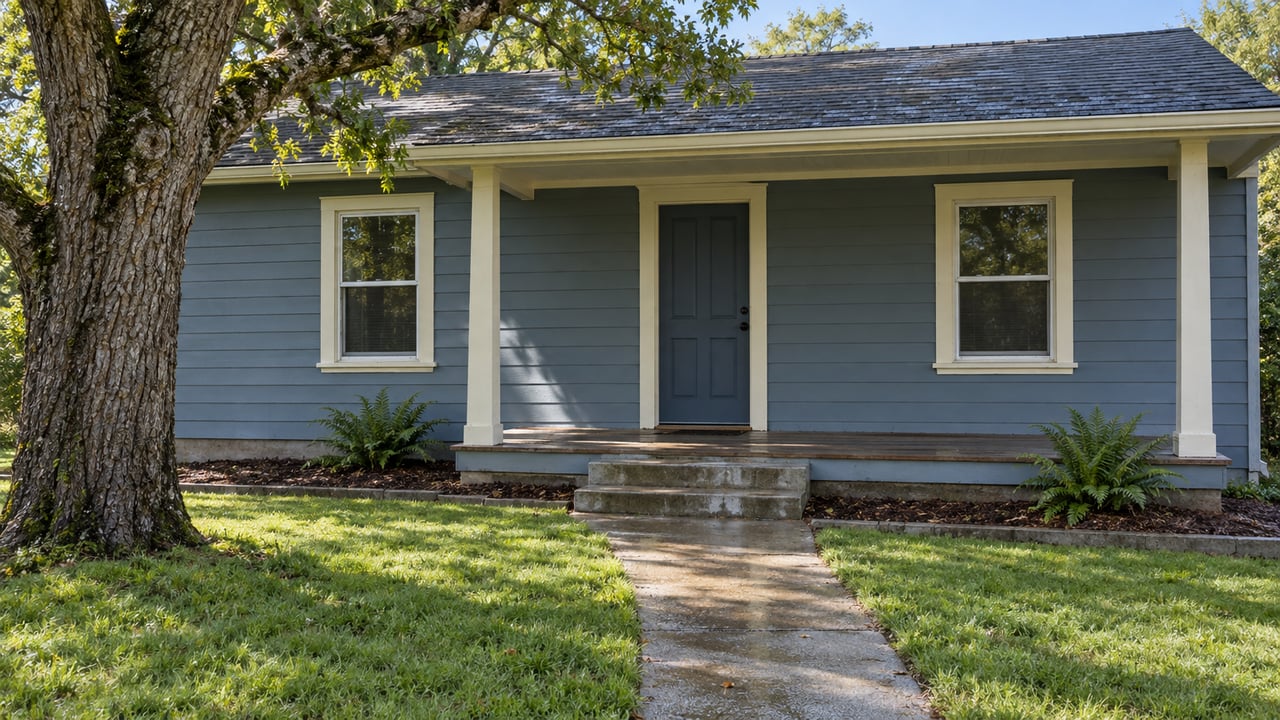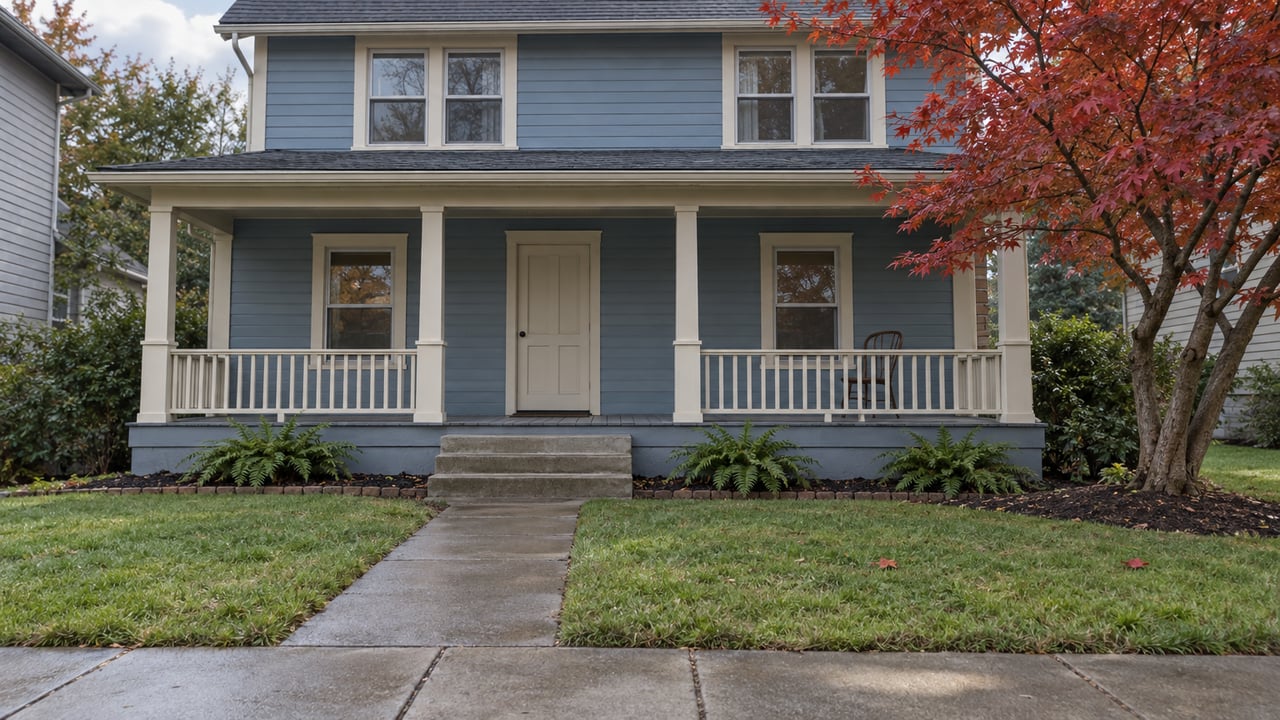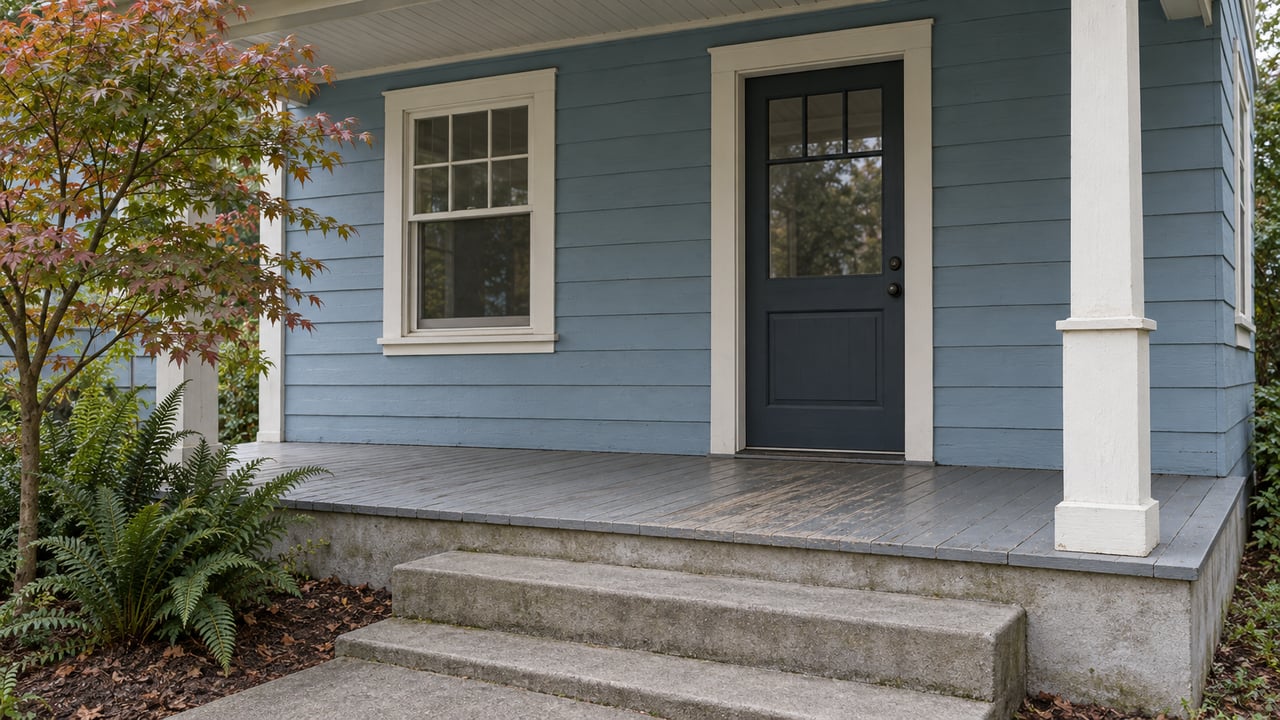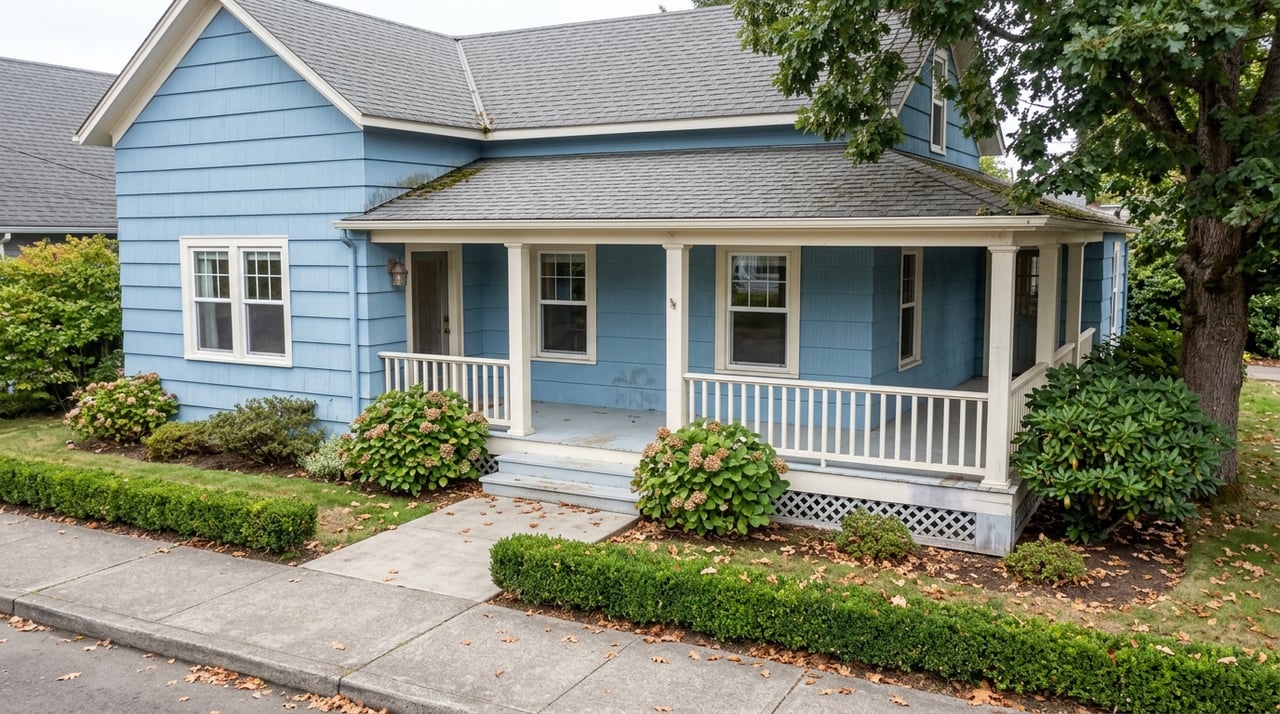
Walk any block in Grant and the pitch is obvious. Deep porches, real cedar and fir under decades of paint, a cluster of Craftsman bungalows and Tudor cottages that Salem itself designated its first Heritage Neighborhood. The bones are good. Buyers feel that the moment they step onto the porch.
What they don't feel, standing in the living room, is what's happening behind the plaster and under the crawl space. And what an insurance underwriter or a lender's file reviewer sees three weeks later, once the home is under contract, has almost nothing to do with how the house feels and almost everything to do with what decade it was built in.
What "1900 to 1940" Actually Means at the Closing Table
The Grant Neighborhood Association is direct about its own housing stock: nearly all of the neighborhood's homes and buildings date to between 1900 and 1940, and Grant was the first neighborhood in the city to earn Heritage designation from the Salem Historic Landmarks Commission. That's a point of pride, and it should be. It's also a data point that a lender's underwriting system reads very differently than a buyer touring the house on a Saturday afternoon.
Every home built in that window was wired and plumbed to the standard of its era. That standard was knob-and-tube wiring and galvanized steel supply pipe, both perfectly normal installations at the time, both now flagged by name on nearly every home inspection and insurance application in the Pacific Northwest. A federal lead paint disclosure requirement enters the picture too.
None of these three things means the house is unsafe. All three of them can independently slow, reprice, or unravel a sale that would otherwise be straightforward.
Three Systems, One Pattern
| System | Standard until | What shows up today | Typical cost to resolve |
|---|---|---|---|
| Knob-and-tube wiring | Roughly the 1940s | Many insurers decline new policies outright or require replacement within 30 to 90 days of closing as a condition of coverage | Full rewire of a typical bungalow runs $8,000 to $20,000, more with plaster walls or a panel upgrade |
| Galvanized steel supply pipe | Roughly 1960 | Corrodes from the inside out, restricting flow and pressure over decades, and some insurers ask about it directly during underwriting | Full repipe cost varies by home size and access, and often becomes urgent only after a leak or a failed inspection |
| Lead-based paint | DocHub notes that lead-based paint was banned in 1978 | Harris & Sliwoski explains that federal law gives buyers a 10-day inspection window | No fixed cost, but a missed disclosure step can void financing timelines or trigger renegotiation |
Every home in Grant sits inside at least two of these three windows. Most sit inside all three.
Why "It Still Works Fine" Isn't the Question Being Asked
Here's the part that catches sellers off guard. An insurer does not ask whether your knob-and-tube wiring has worked safely for eighty years. The underwriting form asks what type of wiring the home has. That's a categorical question, not a condition question, and a system that has never caused a problem still lands in the same underwriting bucket as one that has.
The same logic runs through galvanized pipe. A home can have decent water pressure today and still carry supply lines that a lender's inspection flags as approaching or past their expected service life, because the material itself is what triggers the note, not how the faucet currently performs.
This matters more in 2026 than it might have five years ago, simply because of timing. Homes across Salem took an average of 56 days to sell over the three months ending June 2026, up from 46 days a year earlier. That's not a dramatic shift, but it does mean less slack in every transaction. A financing contingency that stalls because an underwriter wants a licensed electrician's report, or because a buyer's insurance carrier won't bind a policy until wiring is addressed, doesn't just cost paperwork. It costs calendar days in a market that already has fewer of them to spare.
The Paperwork Grant Sellers Actually Owe
Beyond the physical systems, Oregon has seller disclosure requirements, and Grant's age profile brings several of them into focus.
Oregon's Seller's Property Disclosure Statement asks sellers to address:
- Title and easements, including any encumbrances or shared access
- Systems, meaning water, sewage, plumbing, electrical, and HVAC
- Structure, including roof condition, insulation, foundation, and any unpermitted additions
- Community issues, such as HOA dues or shared common areas
That third category, unpermitted additions, deserves particular attention in a neighborhood built out before Salem's current permitting and recordkeeping systems existed. A finished basement, an added bathroom, or a garage conversion completed decades ago without a permit is described by legal guidance on Oregon real estate transactions as a classic material issue for buyers, lenders, and insurers alike.
On top of the state form, Grant's older homes also bring the separate federal lead-based paint disclosure into the picture. Federal law gives buyers a 10-day window to conduct their own lead inspection unless that window is waived in writing. The Oregon Health Authority requires lead-safe practices for renovation work on pre-1978 homes any time a project disturbs enough paint to matter.
What This Means Before the House Hits the Market
Staging photographs beautifully in Grant. Vintage millwork, natural light through original multi-pane windows, and a well-kept porch do real work toward a strong first showing. None of that changes what an underwriter's file says about the wiring type or the pipe material, and that's precisely why the preparation that maximizes net proceeds in this neighborhood has to include the parts nobody photographs.
Before listing a Grant home, it's worth working through four things in order:
- Get a licensed electrician's written evaluation of the wiring, not a verbal opinion. Lenders and insurers want documentation, and a report that shows which circuits are original versus already replaced gives everyone, including the seller, a clear starting point.
- Get a plumber's read on supply line material and condition, especially if the home has never been repiped. A pressure and material assessment costs far less than discovering the issue mid-escrow.
- Pull whatever permit history exists for past additions or renovations through the City of Salem.
- Decide, system by system, whether to correct an issue before listing or price and disclose around it. Both are legitimate strategies, and identifying issues early gives sellers more time to make that choice before a buyer's inspection period.
This is the part of preparing to sell a Grant home that rarely gets talked about alongside paint colors and staged vignettes, and it's exactly where a design-forward listing strategy earns its keep. A house that shows well and comes with clean documentation on its systems closes faster and with fewer renegotiated repair credits than one that shows well and surprises everyone at underwriting.
A Few Questions Grant Sellers Ask Early
Does every home in Grant have knob-and-tube wiring? Not necessarily. Many homes have been partially or fully rewired over the decades. The only way to know what's active is a licensed electrician's inspection, since partial rewires that still feed an attic or back bedroom on original wiring are common and easy to miss without one.
Do I have to replace galvanized pipe before I can sell? Not always, but it depends on the buyer's lender and the home's current condition. Getting ahead of the question with your own plumber's assessment gives you options that a surprise finding during the buyer's inspection period does not.
Grant's charm isn't in question. What determines how smoothly that charm turns into a closed sale is whether the systems behind the walls are documented before a buyer's lender goes looking for answers. That's where preparation earns real money, not just a better first showing.
If you're weighing what to fix, what to disclose, and how to price a Grant home that's ready to list, Heather Rauh can walk your specific property through that math before it ever hits the market. Schedule a consultation and get a straight answer on where your home stands.
This article is general information, not legal, tax or financial advice. Consult a qualified professional about your situation.