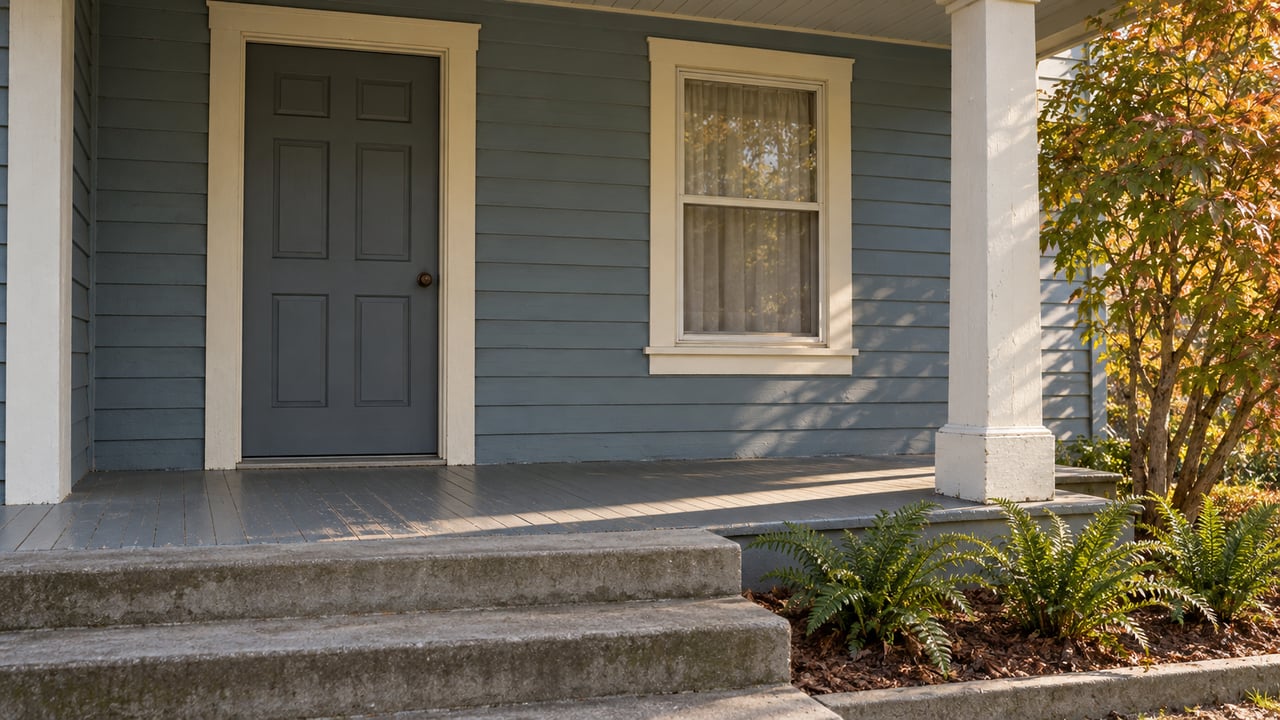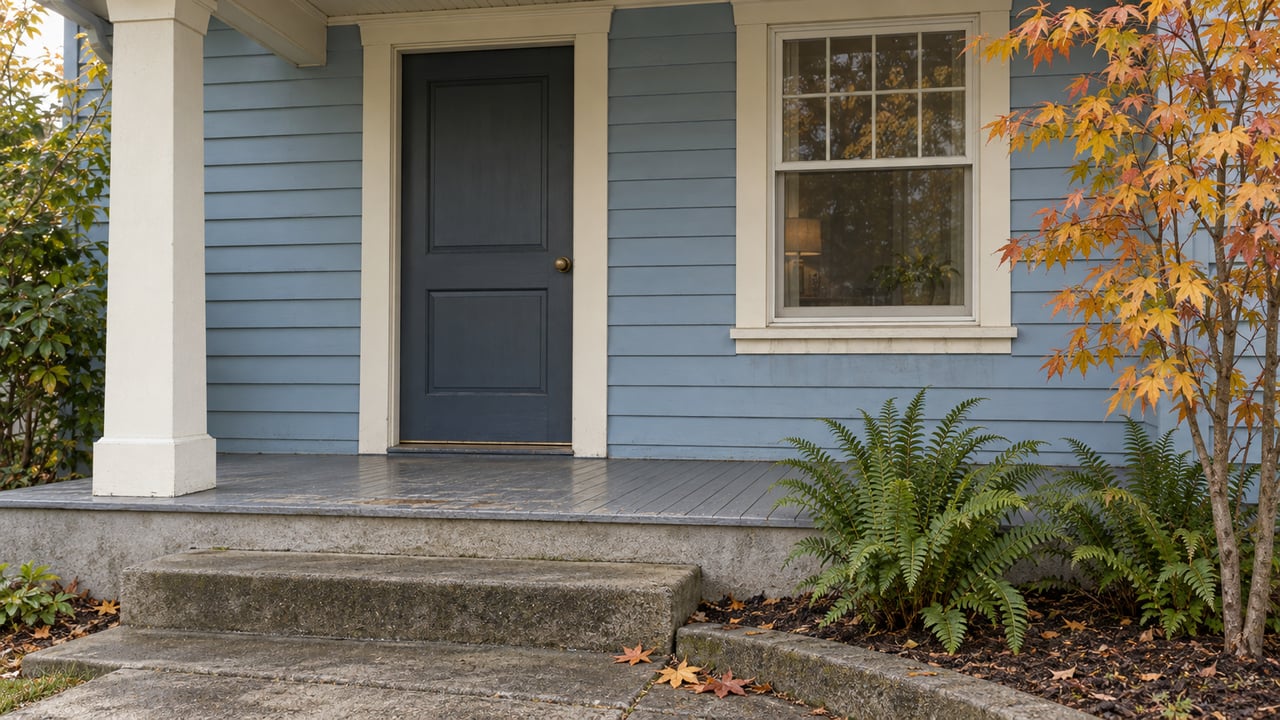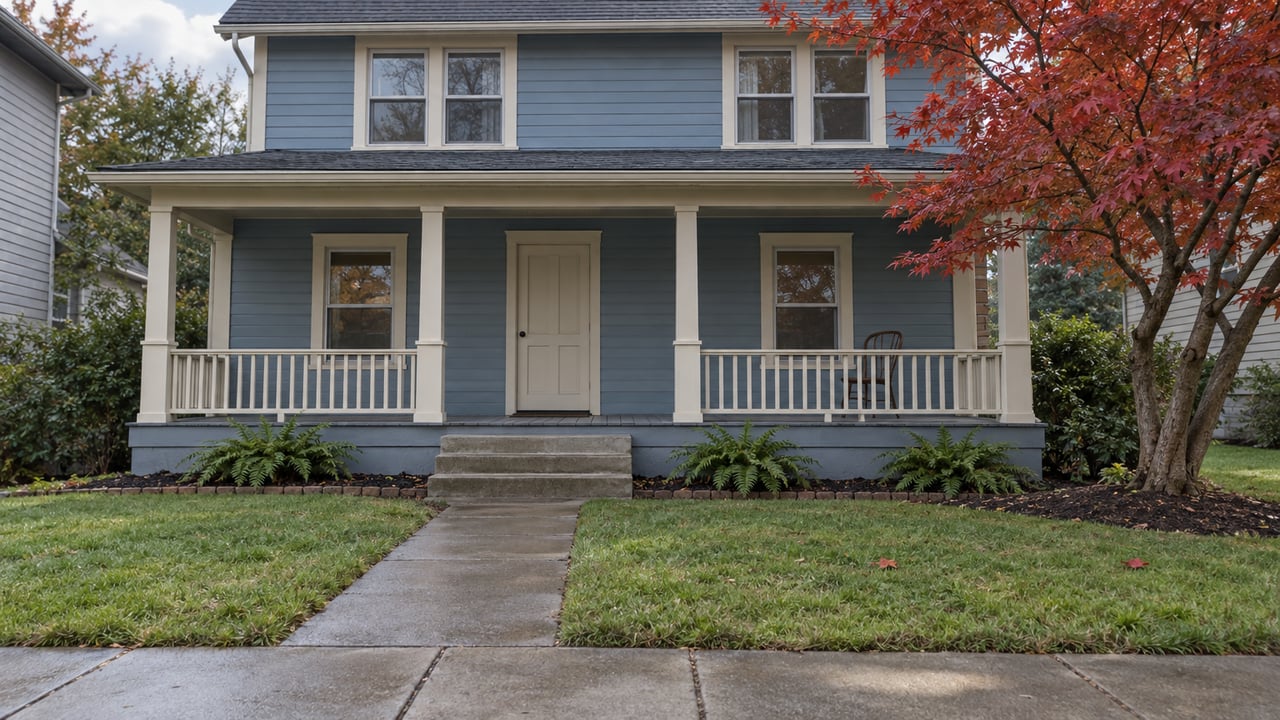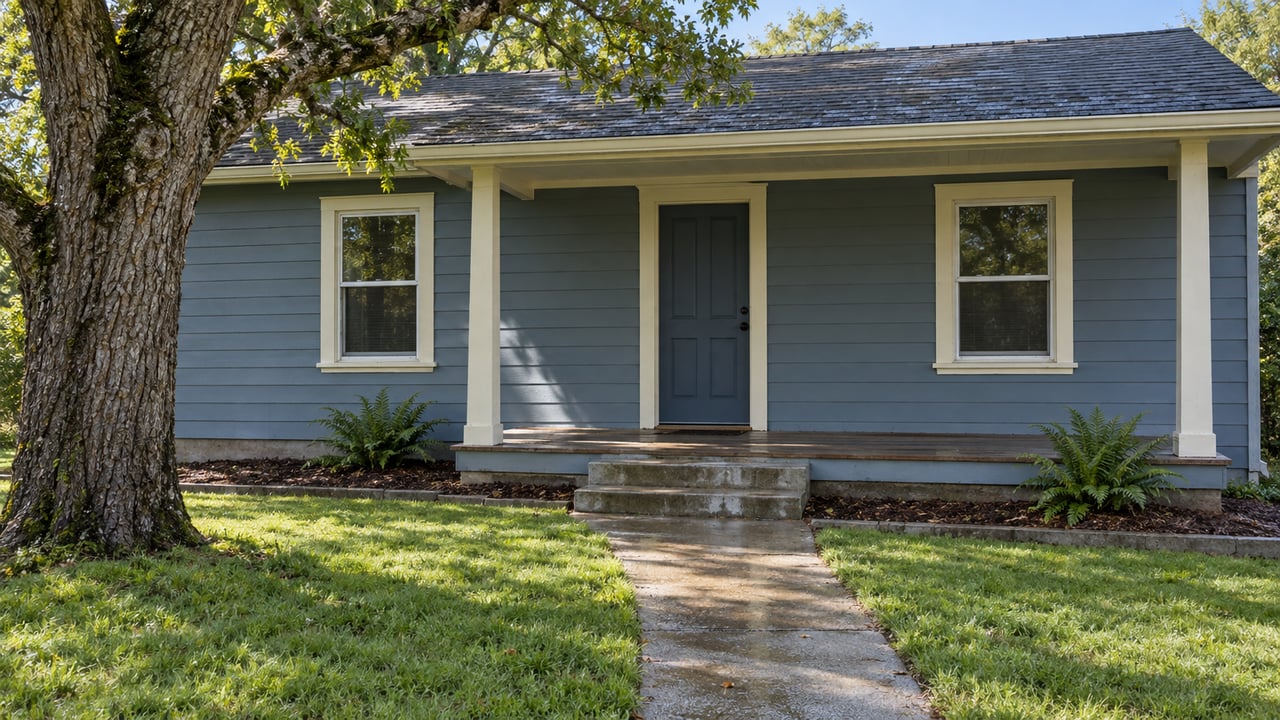
Fairview Park on Strong Road SE still looks like a field with paths running through it. The city's $5.5 million plan for the site was written around what is already there. That means the giant sequoias, the Douglas fir groves and the Oregon white oaks on the north side of the park, plus the history of the land they grow on. Through 2027, a walk there shows the base layer that the dog park, play area and interpretive space will be built on top of.
The plan starts with what's already standing
The park covers 28 acres at 2220 Strong Road SE. The ground rolls downhill toward the West Middle Fork of Pringle Creek. The city's development plan describes "significant groves of mature native conifers, including Douglas fir and giant sequoia," concentrated in the north and northeast parts of the property, along with several Oregon white oaks. The plan also lists individual trees to be preserved: a Deodar cedar, a London plane, a Western red cedar, a Catalpa and several freestanding Douglas firs.
Salem Reporter noted that some of these trees were planted while the site was still the Fairview Training Center. So the conifers and oaks you pass on the paths are living parts of the old campus.
Public input put the trees first in the design. The city ran stakeholder interviews and outreach at community events. It held targeted sessions with youth and with people with intellectual and developmental disabilities, did outreach in Spanish, and ran two citywide surveys that drew about 1,000 responses. "Preservation of mature trees" came up as a consistent priority, along with accessible recreation, meaningful cultural interpretation and flexible gathering space. Phase 1 includes "landscape enhancements emphasizing tree preservation," built alongside a dog park with two small shelters and a central play area with picnic shelters and restrooms.
The new pieces will go in around trees that are already decades old.
Where the paths go today
The city's park directory lists one amenity at Fairview Park, and that amenity is walking. Like other city parks, it's open daily from sunrise to sunset. There are no play structures and no gardens yet, just several paths through the site. The directory doesn't list parking as an amenity. The plan adds off-street parking in Phase 1, so for now arriving on foot or by bike from the surrounding streets is the simplest option.
Here's what to know before you go:
- The edges. Lindburg, Strong and Reed roads border the park. Old Strong Road is public right-of-way but closed to public vehicle traffic, so a car parked on it is in the wrong place.
- The north side. The conifer groves are thickest on the north and northeast side of the property. That's where the sequoias are.
- The slope. The land falls toward the West Middle Fork of Pringle Creek, which gives the downhill paths their direction.
- The understory. Himalayan blackberry and English ivy fill much of the ground cover. Long sleeves are a good idea if you plan to step off the paths.
- The remnants. The plan's site inventory map marks "Historic Building Remnants" on the property but doesn't describe them one by one. Most of the Training Center's buildings were demolished between 2010 and 2019.
New housing surrounds the park, and new sidewalks run along most of its edges. A loop from nearby streets is easy to fit into an evening walk.
A century on one campus
The trees are only part of what the interpretive space will cover. The city's grant memo says the park sits within the traditional homelands of the Santiam bands of the Kalapuya people and later belonged to the Fairview Training Center campus. The city bought the property in 2016 and plans a park that "acknowledges and interprets this layered and complex history."
| Year | What happened on this ground |
|---|---|
| 1908 | Fairview Training Center opens on the campus |
| 1985 | A U.S. Justice Department investigation finds life-threatening conditions |
| 2000 | The center closes after a federal civil rights lawsuit |
| 2002 | Sustainable Fairview Associates buys the property |
| 2005 | The redevelopment master plan is adopted |
| 2010–2019 | Most of the original Training Center buildings are demolished |
| 2016 | The City of Salem acquires the park site |
| March 10, 2025 | Council approves the Fairview Park Development and Management Plan |
The Willamette Heritage Center records that on opening day, December 1, 39 adults and children were transferred to the new institution. It also says a cemetery was set up on the grounds soon after opening, used for five years, and later marked by a cherry orchard. That page hasn't been updated since 2006, and none of the sources reviewed here place the cemetery relative to today's park boundary.
OPB reports that more than 10,000 people lived at Fairview between 1908 and 2000. OPB's documentary coverage documents forced sterilizations, lobotomies and systematic abuse there. The state's existing memorial to people who died at Fairview and other state institutions is at Oregon State Hospital, not at this park. It was dedicated in 2014, and the Oregon Health Authority describes it as holding 3,423 copper urns, with empty spaces where remains have been reunited with families.
The history piece already has its own funding
In the 2025 legislative session, Oregon lawmakers named Salem to receive $824,780 for interpretive improvements at Fairview Park. Salem City Council authorized the grant agreement with the Oregon Department of Administrative Services on January 12, 2026. The council file says that money is "sufficient to fully cover construction of the interpretive improvements."
The rest of Phase 1, which totals $5,557,120, comes from several sources. The largest is $2,682,340 in system development charges, with another $1,000,000 in SDCs forecast in the 2026–30 capital plan. The dog park gets $110,000 from the 2022 Safety and Livability Bond plus a forecast $440,000 in general obligation bonds, and $500,000 comes from Fairview District Development Fees. The memo describes the dog park, play area and other Phase 1 items as "subject to availability of capital and operational funding." The interpretive space's construction money is already committed.
Work on the content has started. The city posted RFP No. 256134 for "Interpretive Planning, Historical Research, and Content Development Services" on May 29, 2026. Proposals were due June 26, and the listing now shows the RFP as closed.
Here's the schedule the city published in January:
- 2026–2027: Community engagement and detailed design for the interpretive space, including story identification and review by the Historic Landmarks Commission
- Late 2027 to early 2028: Construction of Phase 1, including the interpretive space
- End of 2028: Targeted completion
So the public part of the story work falls in the window the city set for 2026 and 2027, and that window is open as of October 2026. No fall 2026 open house or survey had been posted when this was written. The city's park planning pages and the Morningside Neighborhood Association are the places to watch.
The buildings next door show what reuse can look like
Pringle Creek Community, just over the line, also sits on former Fairview land, and some of its original buildings have new uses. Painters Hall was built in the 1930s for grain storage. The campus painters used it later, and it has since been renovated for community use. Prismatic Coffee Roasters opened its first café in a former carpentry workshop there in early 2025. The café was still hosting events in September 2026, including a yoga-and-coffee morning on September 20.
The historic glasshouses are used for an urban farm. An August 27, 2026 tour of the farm was part of "A Toast to Tomatoes" at Painters Hall. According to the community's own site, its walking and biking paths connect to parks and nearby neighborhoods. The most recent published visitor hours for the Painters Hall gallery date to 2022, so check the Pringle Creek events calendar before planning a visit around it.
A coffee at Prismatic and a loop under the Fairview sequoias make a good afternoon. Both sit on ground that was one campus for most of the last century.
When the story identification sessions open, Heather Rauh would be glad to hear what Morningside neighbors want the Fairview interpretive space to say. If you live near Strong, Reed or Lindburg and want to know how the 2027–28 construction might affect your street, schedule a consultation and we'll go through the city's timeline together.