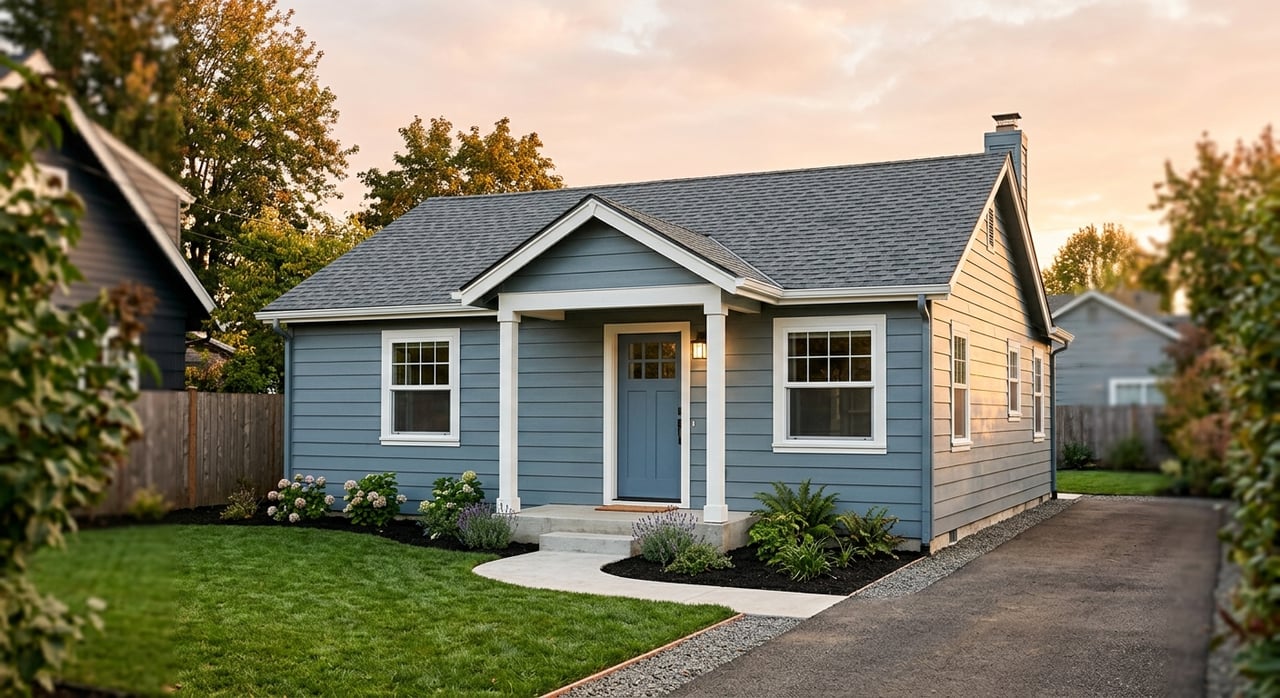
Wondering whether you should renovate before selling in Highland? If your home has charm, age, and a few quirks, that question can feel expensive fast. The good news is that in Highland, the smartest pre-list plan is often not a major remodel at all. Instead, you can focus on the updates that protect your sale, improve first impressions, and support stronger net proceeds. Let’s dive in.
Highland homes need a tailored plan
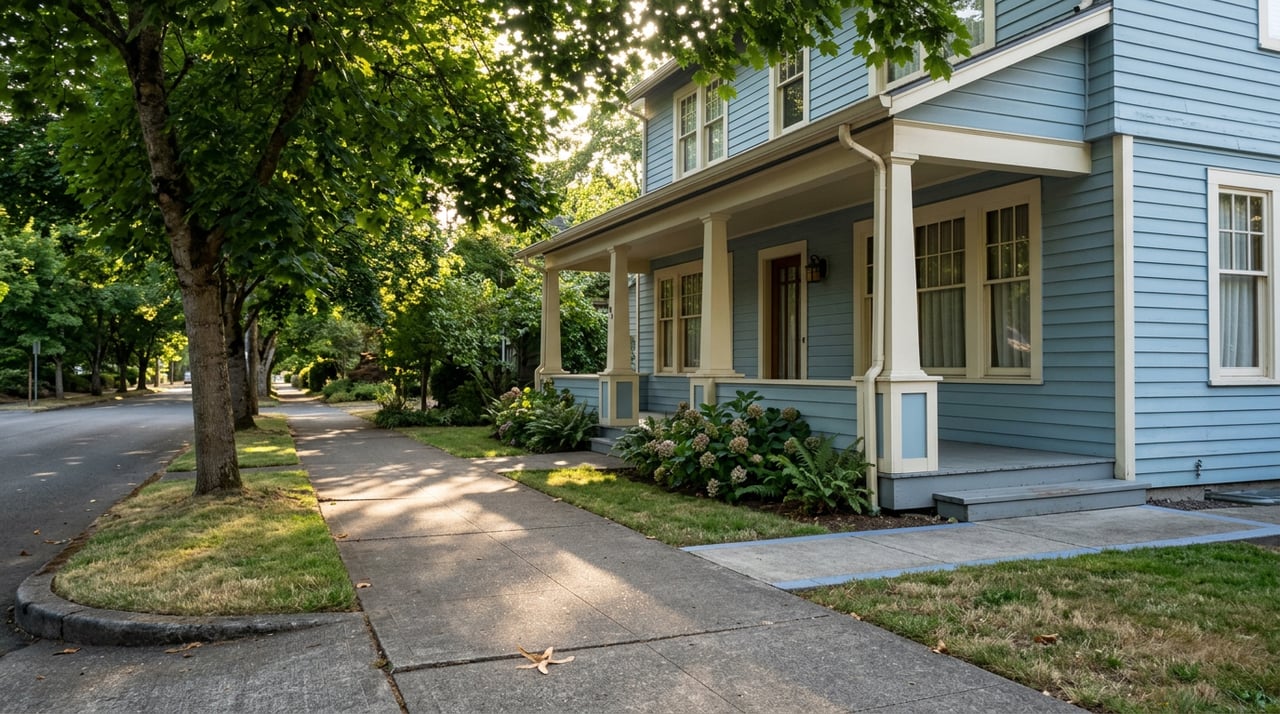
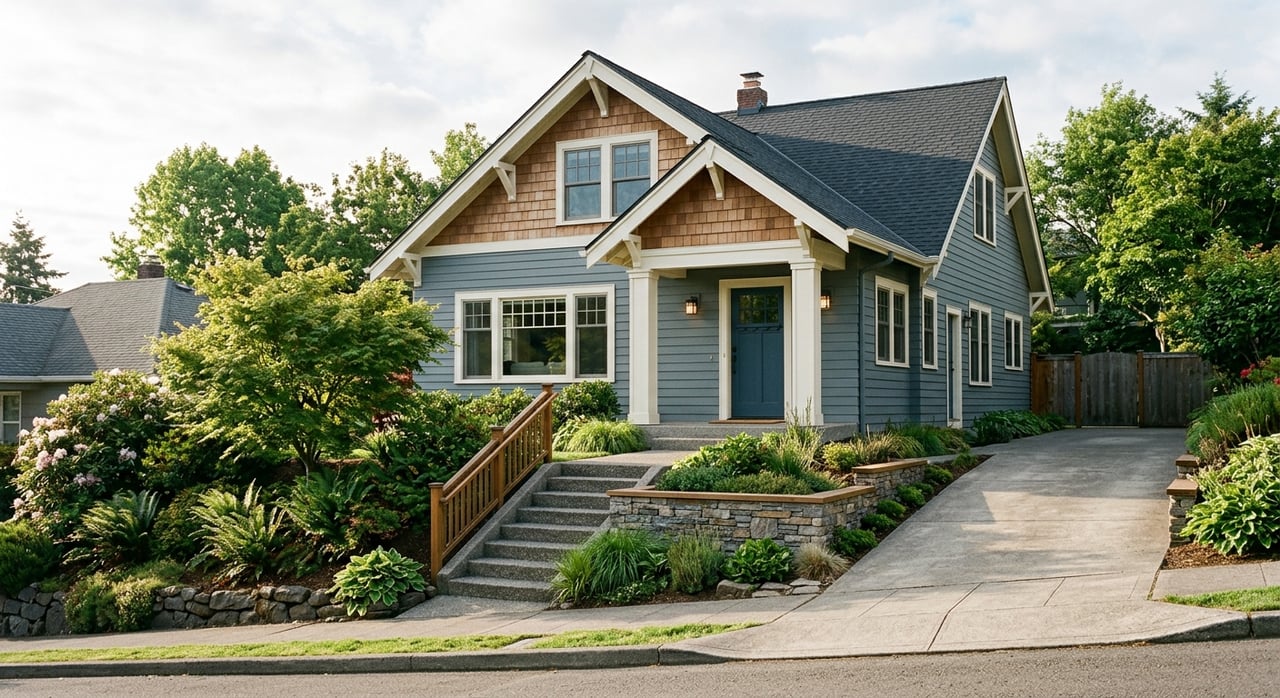
Highland is one of Salem’s heritage-designated neighborhoods, known for vintage homes, tree-lined streets, and a location close to the city center. Many homes are older cottages or bungalows, and attached garages are less common than driveways. That means buyers are often responding to character as much as square footage.
Because of that, Highland sellers usually benefit from a strategy that respects the home’s original feel instead of trying to turn it into something else. A full modern overhaul can cost a lot without matching what buyers expect from the neighborhood. In many cases, presentation and repair matter more than a dramatic renovation.
What the current Highland market suggests
As of March 2026, Realtor.com reported 12 homes for sale in Highland, with a median listing price of $369,900 and median days on market of 53. Homes were selling about at asking price. That points to a more balanced market, not one where sellers can count on recouping every renovation dollar automatically.
At the same time, buyer expectations still matter. The National Association of Realtors found that 46% of buyers were less willing to compromise on a home’s condition. That makes visible upkeep and obvious repairs important, even if a luxury remodel is not.
Start with repairs, not big renovations
If you are deciding where to spend money, begin with anything that could affect safety, financing, or buyer confidence. In an older Highland home, that may mean addressing roof issues, dry rot, aging systems, plumbing concerns, or electrical problems before you think about cosmetic upgrades.
These items should be treated as repairs, not optional improvements. Older homes can hide problems behind walls, under floors, or around windows and foundations. If a buyer spots clear deferred maintenance, they may worry there is more they cannot see.
The best pre-list updates in Highland
For most Highland sellers, the strongest return usually comes from low-cost, high-visibility work. NAR’s 2025 Remodeling Impact Report says REALTORS most often recommend painting the entire home, painting one room, and new roofing before listing. In Salem, painting, flooring, trim, cabinets, and countertops usually do not require a building permit.
That makes simple refreshes especially useful when you want to improve appearance without creating extra delay. Fresh paint, clean flooring, updated lighting, and minor finish work can make an older home feel cared for while keeping its character intact. You are not trying to erase the home’s age. You are trying to show that it has been maintained.
Smart updates to consider
- Interior or exterior paint where wear is visible
- Front door refresh or replacement
- Updated exterior lighting
- Tidy landscaping and fresh mulch
- Flooring improvements where surfaces are worn
- Minor trim or cabinet touch-ups
- Countertop updates if existing materials feel dated or damaged
- Roof repair or replacement if condition is an obvious concern
Curb appeal often does the heavy lifting
Exterior-facing projects tend to outperform more personal interior remodels. JLC’s 2025 Cost vs. Value reporting found that eight of the top 10 return-on-investment projects were exterior replacements. NAR also found that a new steel door recovered 100% of cost in its survey.
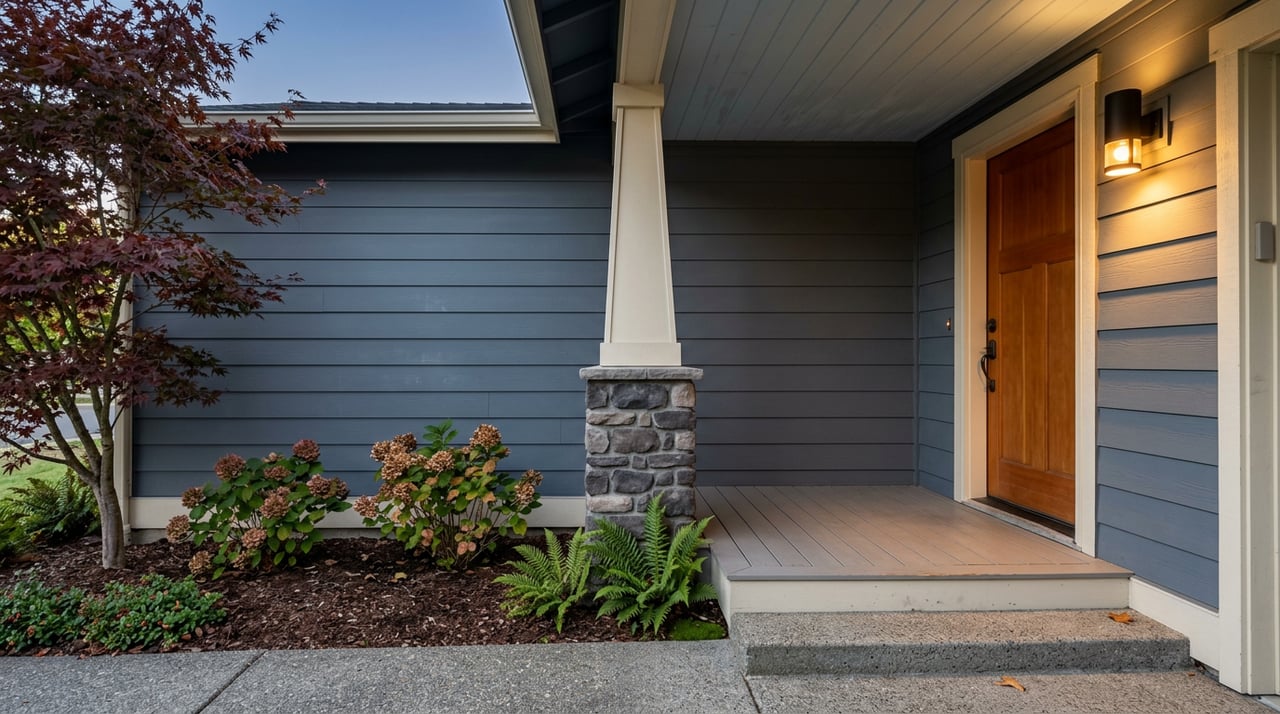
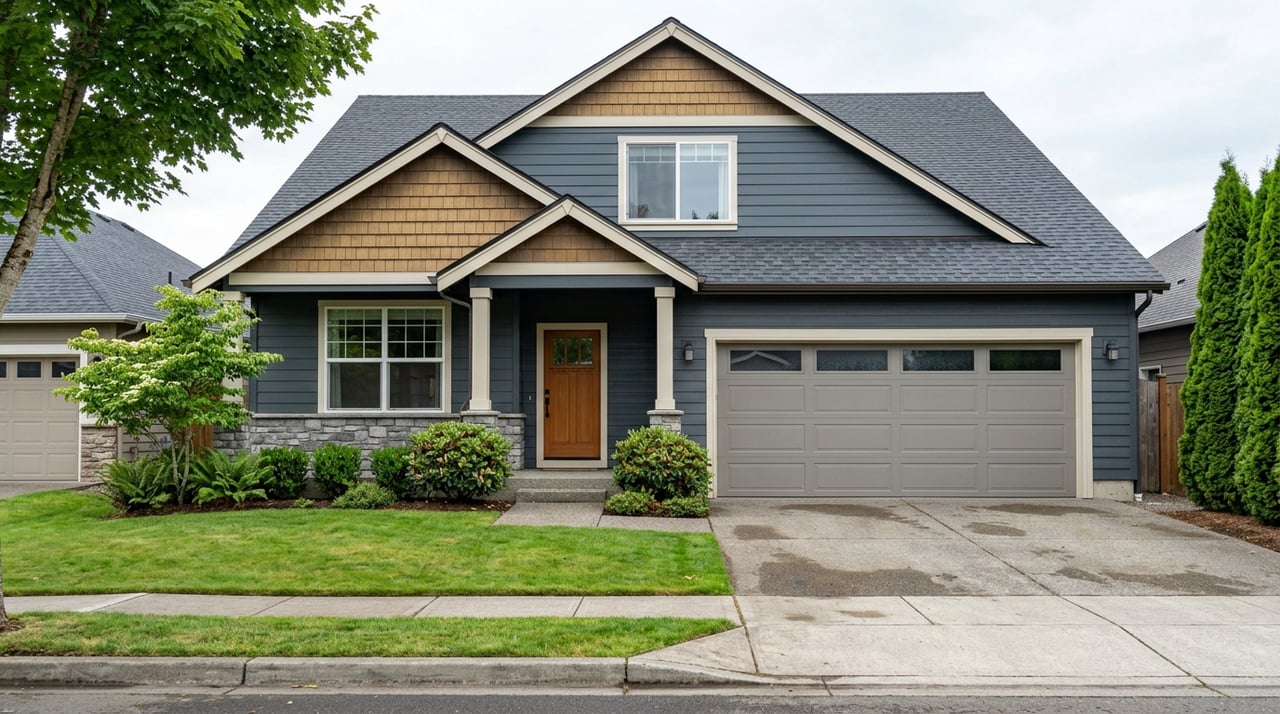
That matters in Highland, where buyers often notice curb appeal right away. A clean front elevation, a welcoming entry, maintained paint, and neat landscaping can shape the showing experience before anyone walks inside. In a neighborhood filled with older homes, small exterior improvements can help your property stand out while still fitting the block.
Focus on first impressions
If your budget is limited, prioritize what a buyer sees in the first few seconds:
- The front walkway and porch
- The condition of the front door
- House numbers and lighting
- Yard maintenance
- Visible peeling paint or damaged trim
- Roof condition from the street
Be careful with kitchens and baths
Kitchen and bath updates can be tempting because they are easy to imagine in listing photos. But they are not always the best place to spend heavily before selling. JLC notes that the more complex and customized the project, the lower the resale ROI can be, especially when personal taste drives up cost.
NAR’s report also shows that kitchen and bath projects are not the highest cost-recovery categories. So if your kitchen works, your cabinets are in decent shape, and the space is clean and functional, a full gut remodel may not be necessary. In many cases, a simpler refresh can do enough.
Better alternatives to a full remodel
Instead of tearing everything out, consider:
- Painting walls or cabinets
- Replacing worn hardware
- Updating light fixtures
- Repairing damaged trim
- Swapping in cleaner, simpler countertops if needed
- Deep cleaning grout, tile, and surfaces
Older and historic homes need extra review
This is especially important in Highland. Salem requires historic design review for exterior alterations to local historic landmarks and resources within National Register districts. Ordinary painting and interior remodeling generally do not require historic design review, but changes like replacing siding or windows with a different type, style, or material may trigger review.
That means you should verify requirements before starting exterior work. A project that seems straightforward can become more involved if the home is historic or located in an area with added review standards. Checking first can save time, money, and listing delays.
Permits matter more than many sellers expect
Even when historic review is not involved, Salem still requires permits for many structural and trade-related jobs. Electrical, plumbing, structural changes, dry rot repair, foundation work, and some roofing, siding, window, and insulation projects may require permits. Interior cosmetic work such as flooring, painting, trim, cabinets, and countertops usually does not.
This matters because buyers may ask about past work, and appraisers or lenders may care about obvious major updates. If you are doing pre-list work, keeping the scope clear and permit-compliant helps protect your transaction. It also supports a smoother negotiation when questions come up.
Consider comfort upgrades before major replacements
If your home feels drafty or utility costs may become a buyer objection, Salem’s historic-property guidance points homeowners toward practical efficiency steps first. That includes an energy audit, weather-stripping, and targeted insulation or HVAC-efficiency work before taking on major replacement projects.
For an older Highland home, this can be a smart middle path. You may improve comfort and reduce concerns without overspending on changes that are harder to recover at resale. It is another example of why targeted upgrades often outperform full renovation plans in this neighborhood.
A simple rule for deciding what to do
In Highland, the most practical pre-list decision rule is this: fix anything that affects safety, financing, or obvious first impressions. Then do low-cost visible refreshes. Skip large personal-choice projects unless recent comparable sales clearly support the added cost.
That approach fits both the neighborhood and the current market. Since homes are generally selling around asking in a balanced environment, your goal is often to remove objections, not build a luxury product that overshoots local buyer expectations.
How to think about renovation ROI
Before spending money, ask a few simple questions:
- Will this fix a buyer objection?
- Will this improve the first showing impression?
- Will this help with appraisal or financing confidence?
- Will buyers in Highland actually pay more for this upgrade?
- Is this preserving the home’s character or fighting it?
If the answer is mostly no, the project may not belong on your pre-list to-do list. The strongest plan is usually the one that protects your net proceeds, not the one with the biggest contractor bid.
Financing pre-list work deserves a close look
If you need to borrow to complete updates, run the numbers carefully. NAR found that 54% of consumers used a home equity loan or line of credit and 29% used savings to pay for remodeling. Financing costs should be part of your return-on-investment calculation.
A project that looks reasonable on paper may feel less attractive once interest costs are added in. In a balanced market, it is especially important to avoid spending money just to chase a price bump that may never fully materialize.
The best strategy for most Highland sellers
For many Highland homeowners, the most defensible plan is straightforward: clean, paint, repair obvious defects, refresh the front elevation, confirm permit or design-review requirements, and price the home against recent local comps. That strategy aligns with the neighborhood’s older housing stock and the market conditions sellers are facing right now.
This is very much a Sell Rich mindset. You do not need to renovate for the sake of renovating. You need to make thoughtful choices that support presentation, reduce objections, and help you protect your bottom line.
If you want a pre-list strategy built around your home’s condition, character, and likely return, Heather Rauh can help you decide what is worth doing before you sell.
FAQs
Should you fully renovate a Highland home before selling?
- Usually no. In Highland, a targeted refresh and visible repairs are often a better investment than a full remodel, especially in a balanced market.
What repairs matter most before selling a home in Highland?
- Focus first on issues that affect safety, financing, or buyer confidence, such as roof concerns, dry rot, electrical or plumbing problems, and other obvious deferred maintenance.
Do you need permits for pre-list updates in Salem?
- Many structural, electrical, plumbing, foundation, roofing, siding, window, and insulation projects may require permits, while interior cosmetic work like paint, flooring, trim, cabinets, and countertops usually does not.
Do historic homes in Highland need design review for exterior work?
- Some do. Salem requires historic design review for certain exterior alterations to local historic landmarks and resources within National Register districts.
What upgrades usually help most when selling in Highland?
- Low-cost, high-visibility updates like paint, front entry improvements, exterior lighting, landscaping, flooring touch-ups, and repair of obvious defects are often the most practical choices.
Should you remodel the kitchen before selling a Highland house?
- Not always. Full kitchen remodels can be expensive and may not deliver the strongest resale return, while lighter cosmetic updates often make more financial sense.